1. Emphasize Balanced Macronutrient Intake
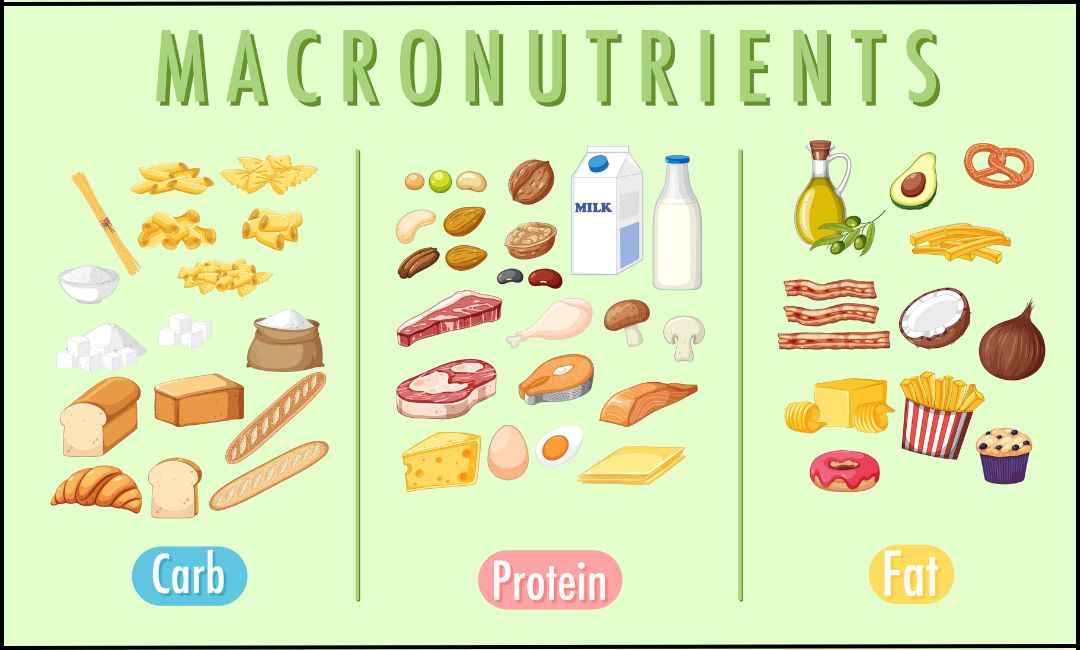
Incorporate appropriate amounts of:
Carbohydrates (whole grains, fruits, vegetables) – to provide energy.
Proteins (eggs, legumes, dairy, lean meats) – essential for growth and development.
Healthy fats (nuts, seeds, avocado, olive oil) – beneficial for brain growth.
2. Restrict Processed and Sugary Foods

Steer clear of high-sugar snacks, sweetened beverages, and heavily processed foods.
Opt for natural sweeteners (e.g., fruits, dates) and homemade substitutes (e.g., baked goods rather than fried).
3. Highlight the Importance of Fruits and Vegetables
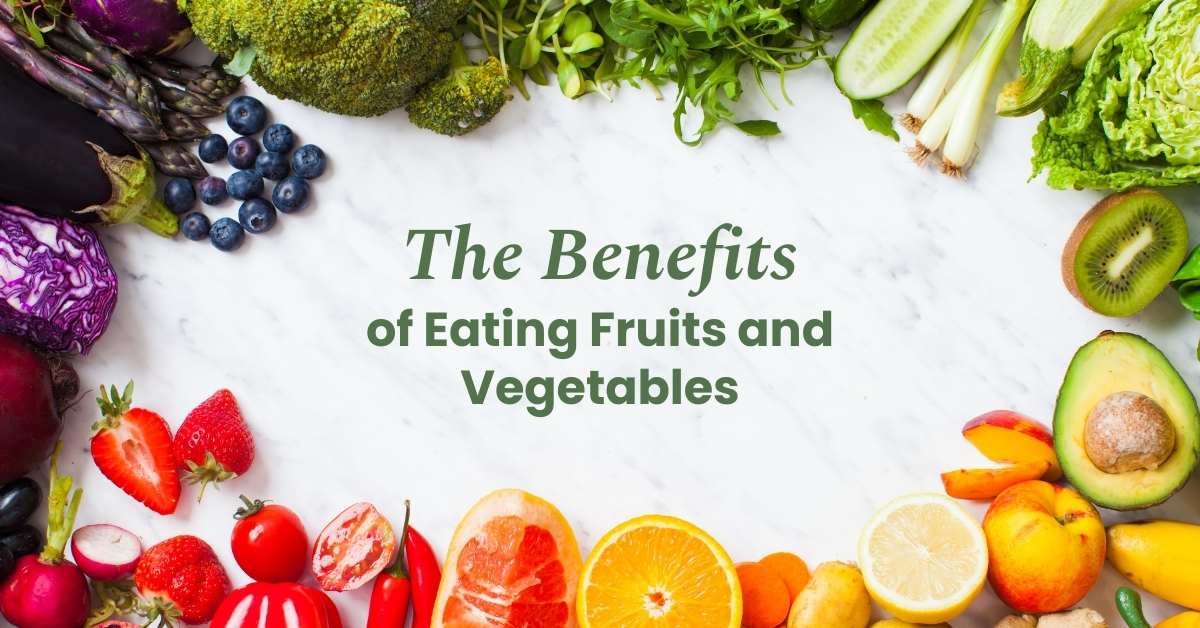
Aim to provide 2-3 servings of vegetables and 1-2 servings of fruit each day.
Present them in colorful and engaging ways (e.g., fruit skewers, veggie faces) to appeal to selective eaters.
4. Guarantee Sufficient Calcium and Iron Intake
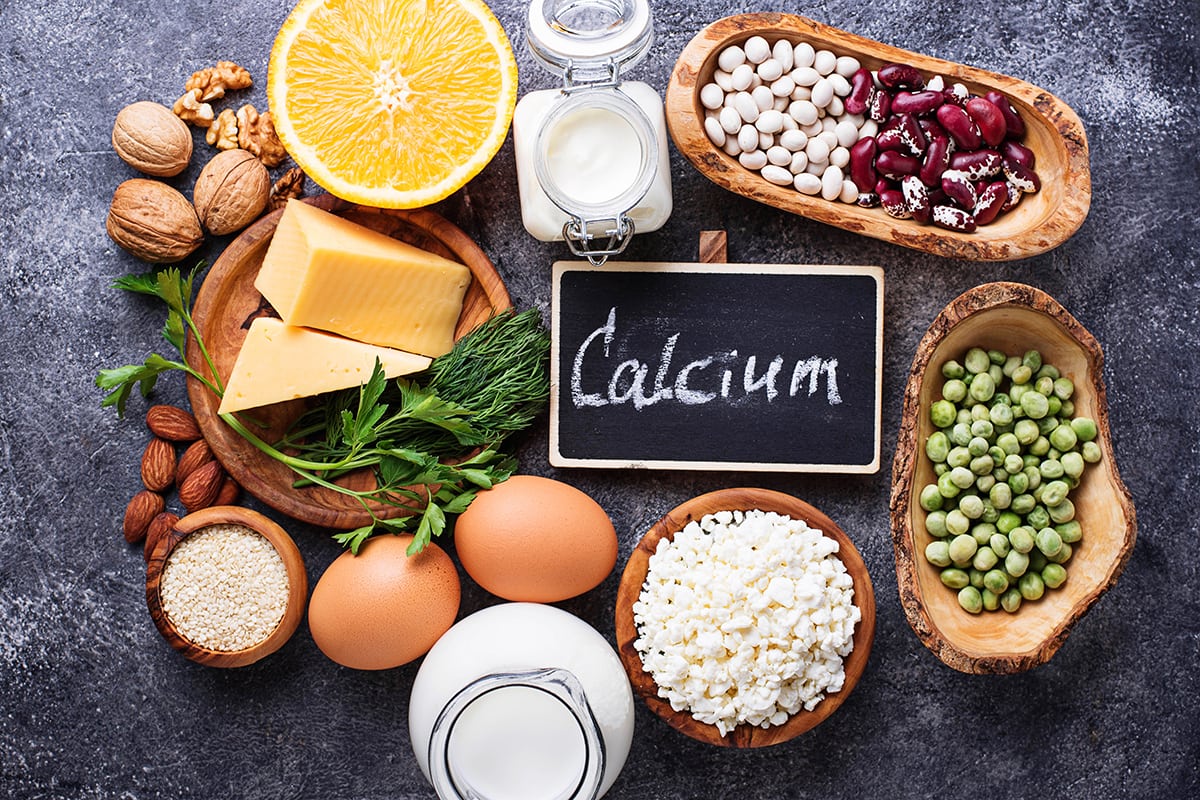
Calcium: Include milk, yogurt, cheese, tofu, and leafy greens – crucial for bone health.
Iron: Incorporate beans, lean meats, and fortified cereals – important for cognitive growth.
Combine with foods rich in vitamin C (e.g., oranges, tomatoes) to enhance iron absorption.
5. Encourage Hydration

Ensure that fresh drinking water is available throughout the day.
Limit juices and sodas; when providing variety, offer fruit-infused water or unsweetened alternatives.
6. Develop a Rotating Weekly Menu
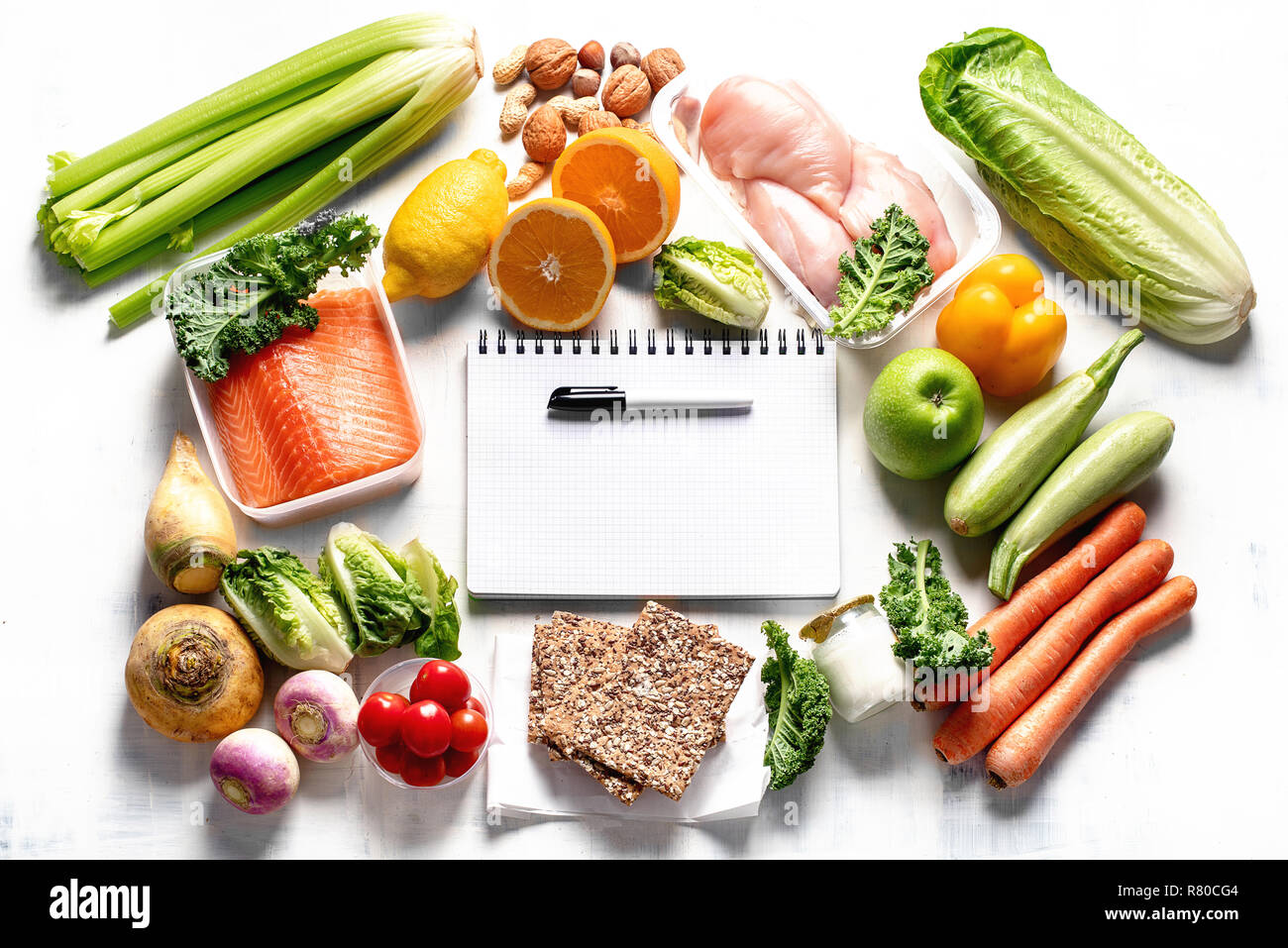
This approach minimizes monotony and guarantees a diverse nutrient profile.
Include:
A source of protein (e.g., eggs, tofu, chicken),
A grain or starch (e.g., rice, whole wheat bread),
A vegetable and fruit,
A dairy product or its substitute.
7. Engage Children and Provide Education
[caption id="attachment_69348" align="alignnone" width="800"]
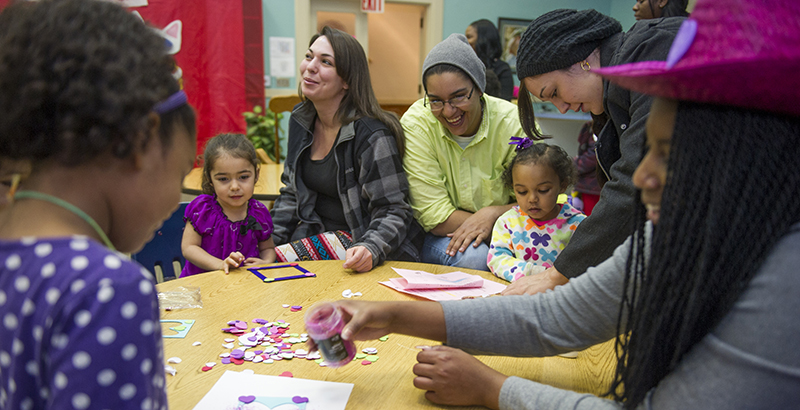
SELMA, AL - FEBRUARY 12: Families create valentine photo frames during an after school 'Love for Learning' night of activities with parents and children at the Byrd First Class Early Learning Center on February 12, 2015 in Selma, Alabama. The Byrd First Class Early Learning Center houses all of the city's pre-K students in one school. (Photo by Ann Hermes/The Christian Science Monitor via Getty Images)[/caption]
Incorporate straightforward nutrition lessons or food-related activities.
Allow children to select from healthy choices (e.g., apple versus banana).
Organize “tasting days” to gradually introduce unfamiliar foods.
8. Make Meals Visually Attractive
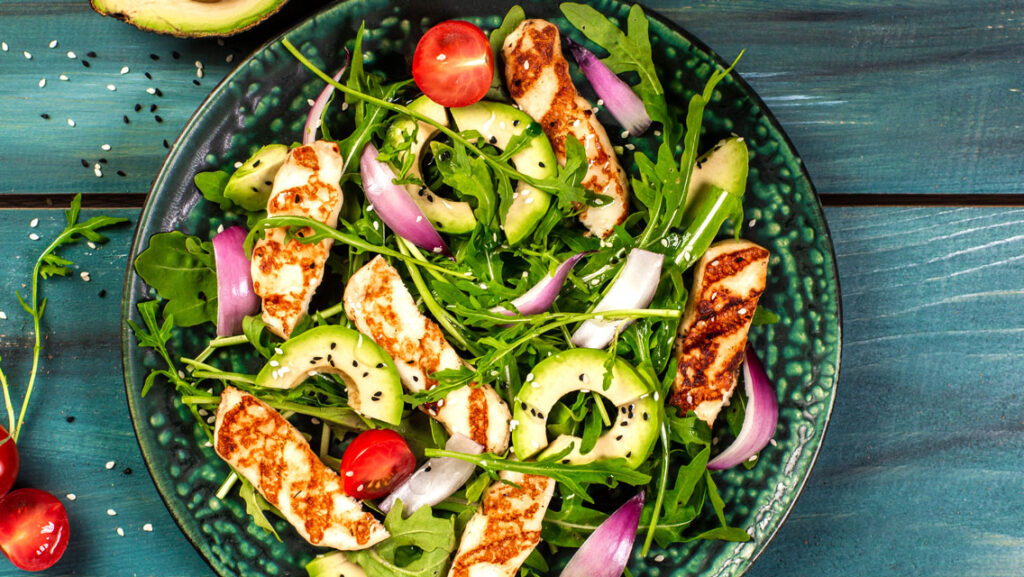
Utilize vibrant colors, playful shapes, and imaginative names (e.g., “superhero salad”).
Ensure portions and spice levels are suitable for the age group.
9. Limit Sodium and Unhealthy Fats

Minimize the inclusion of processed meats, chips, and salty snacks.
Cook with healthier oils (e.g., olive oil, sunflower oil).
10. Accommodate Allergies and Special Dietary Needs
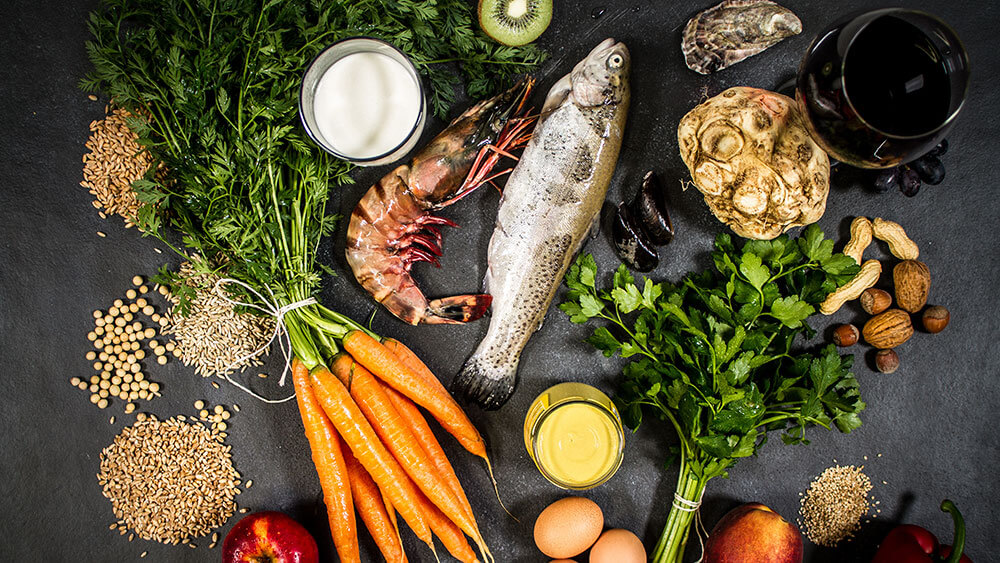
Monitor students' allergies and dietary limitations.
Provide alternative options (e.g., lactose-free, vegetarian) without sacrificing nutritional quality.