1. Prepare Carefully Before Beginning
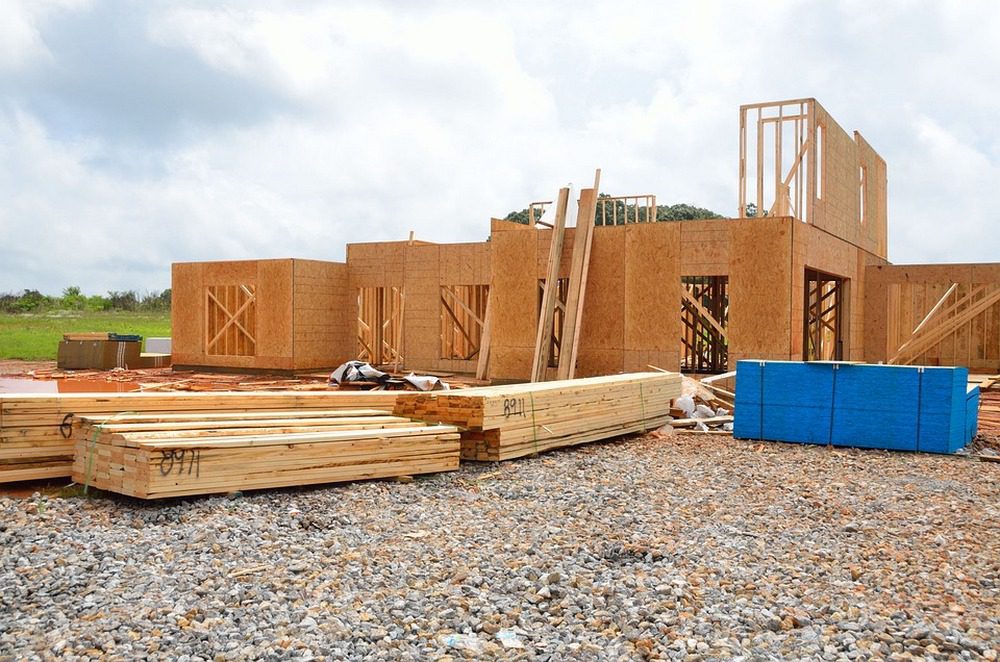
Establish a comprehensive budget that includes a 10-20% allowance for unforeseen expenses.
Identify your lifestyle requirements, such as the number of rooms needed, their purposes, and potential future expansions.
Obtain necessary building permits to prevent legal complications and construction delays.
2. Focus on Functionality in Design, Not Just Appearance

Emphasize comfort and practicality rather than merely following current design fashions.
Enhance natural light and ventilation in your design to decrease energy consumption.
Incorporate basic Feng Shui guidelines if they are culturally significant to you.
3. Select High-Quality Materials Within Your Budget

Always prioritize quality in foundational materials like concrete, rebar, and bricks.
Gather estimates from various suppliers to find the most competitive prices.
Be cautious of lesser-known brands that offer significantly discounted prices.
4. Engage a Reliable Contractor with a Detailed Agreement
[caption id="attachment_69371" align="alignnone" width="1920"]

Close-up Of Hand With Pen And Eyeglasses Over Contractor Agreement[/caption]
Evaluate the contractor's prior projects or request references from former clients.
Enter into a written agreement that specifies timelines, penalties, warranties, and the scope of work.
Regularly inspect the construction site or consider hiring an independent overseer.
5. Select the Optimal Time for Construction
Steer clear of construction during rainy periods to avoid postponements.
Initiate the project early in the year to secure better labor availability and costs.
6. Implement Intelligent Cost-Reduction Strategies
Opt for powder-coated steel doors that mimic the appearance of wood.
Select standard tile dimensions (such as 60x60cm) for both aesthetic appeal and cost efficiency.
Prepare additional plumbing and electrical lines for future requirements.
7. Strategically Plan Electrical and Plumbing Layouts
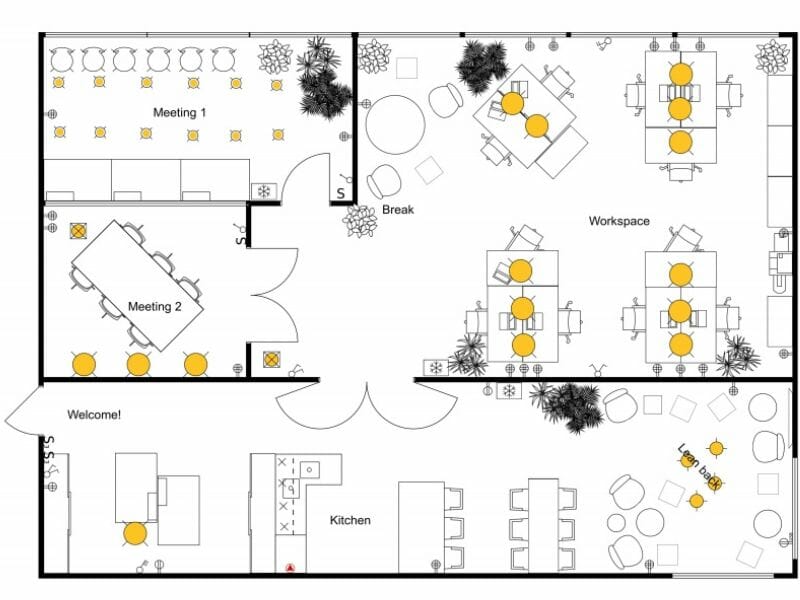
Keep electrical configurations straightforward and well-documented.
Install numerous outlets in priority areas, such as kitchens, bedrooms, and living rooms.
Ensure adequate slope and ventilation in drainage systems.
8. Create Designs for Future Adaptability
[caption id="attachment_69375" align="alignnone" width="1024"]
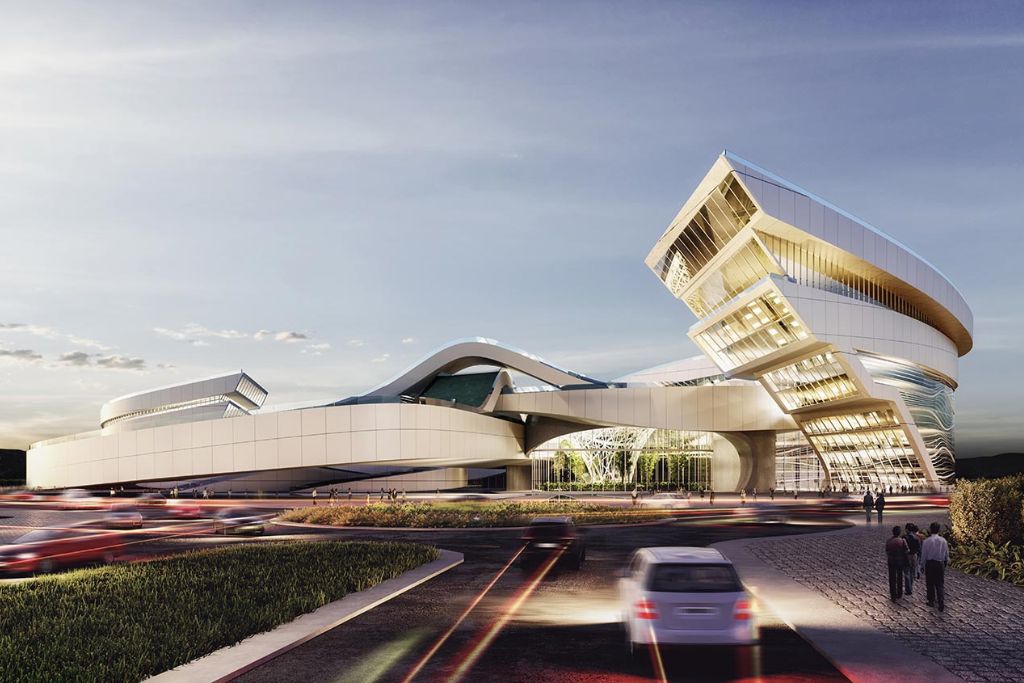
Allow space for the potential addition of floors or repurposing of areas later on.
Incorporate functional zones such as storage areas, gardens, and parking spots.
9. Ensure Cleanliness at the Construction Site

Regular cleaning reduces the risk of safety issues, theft, and material misplacement.
10. Keep Detailed Records of the Construction Process

Capture images of all concealed systems (electrical, plumbing) to facilitate easier repairs in the future.
Maintain a visual record of the construction process for future reference