Weeds are tenacious and frequently outgrow your native vegetation. But even without dangerous substances, you can successfully slow them down with the correct techniques. The following eco-friendly, professional-recommended techniques will help you control weed development in your garden or outdoor areas:
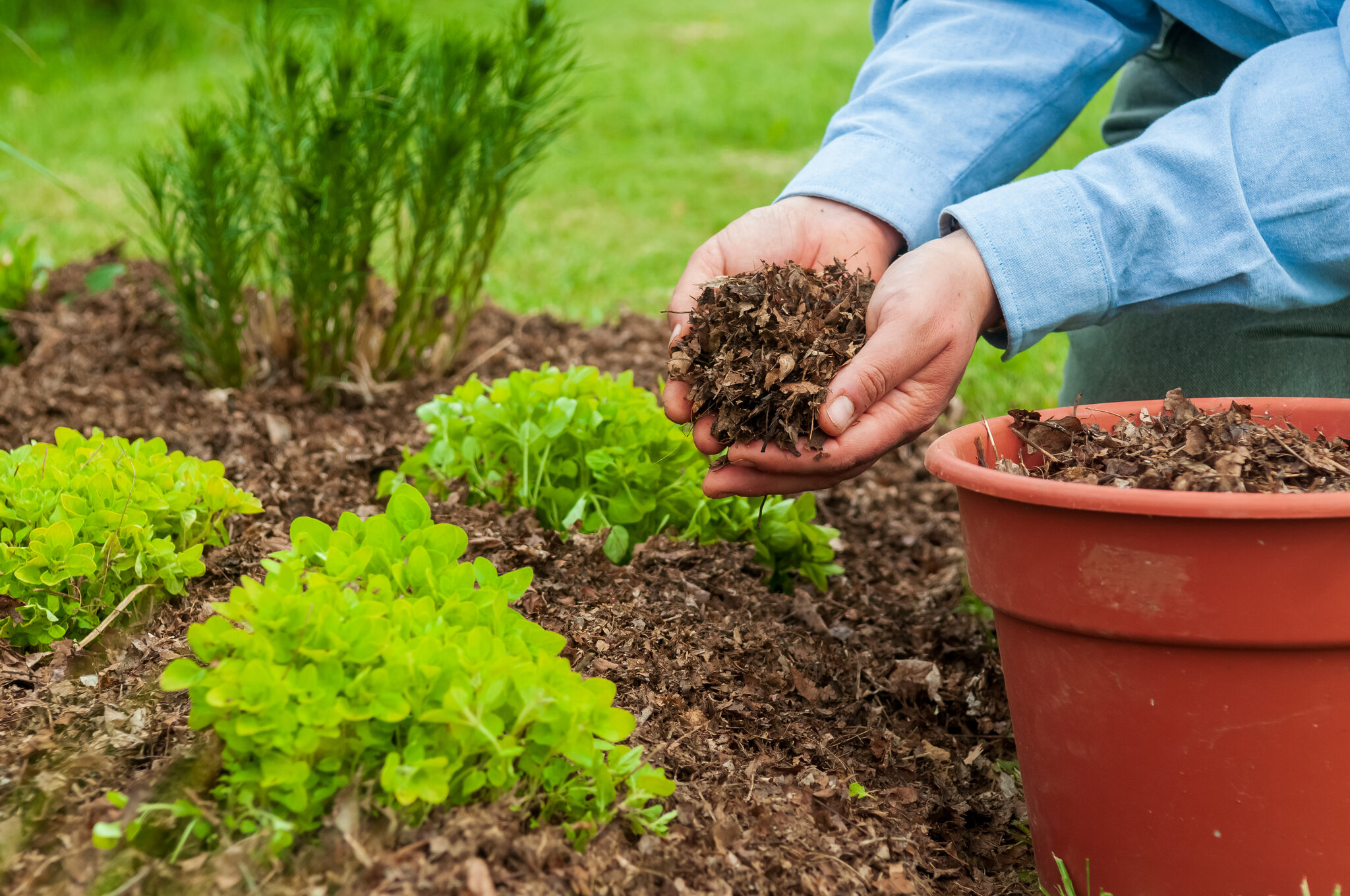
1. To block light, apply organic mulch
Professional Advice:
According to landscape designer Hannah Lee, "mulching is one of the most effective weed prevention measures." Use organic mulch, such as wood chips, straw, dried leaves, or coconut husk, to cover exposed soil. Sunlight is blocked by a covering of 2–4 inches (5–10 cm), which stops weed seeds from germinating. Bonus: Enhances soil health and helps hold onto moisture.
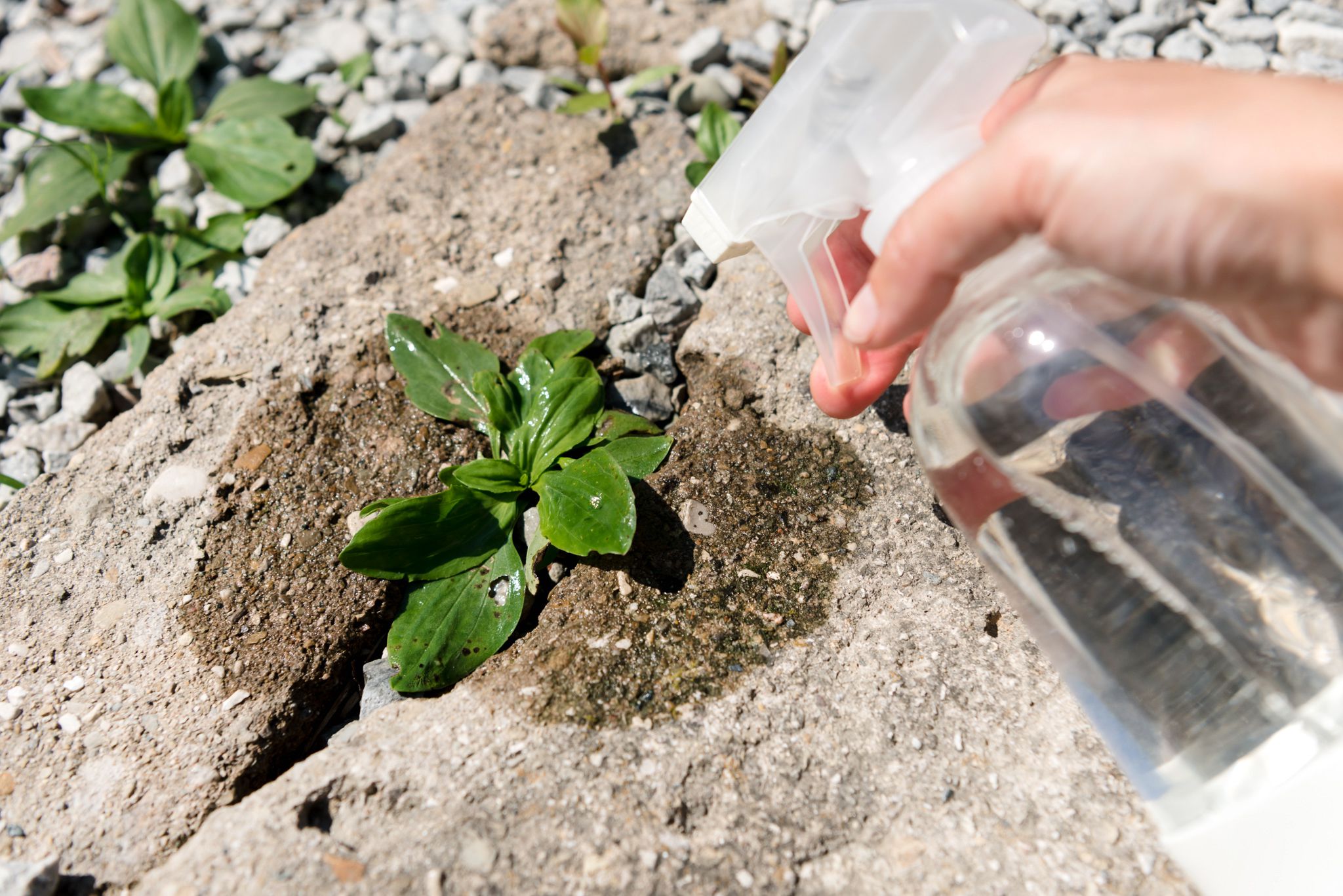
2. Natural Ways to Get Rid of Young Weeds Using White Vinegar
Expert Opinion:
Horticulturist Dr. Alan Moore notes that "household vinegar contains acetic acid, which dries up fragile weed leaves." Young weeds should be sprayed with undiluted white vinegar (5%) in sunny conditions. Vinegar is non-selective and can damage plants, so don't spray it on them.
3. Boiling Water: An Easy Way to Repair Paved Areas
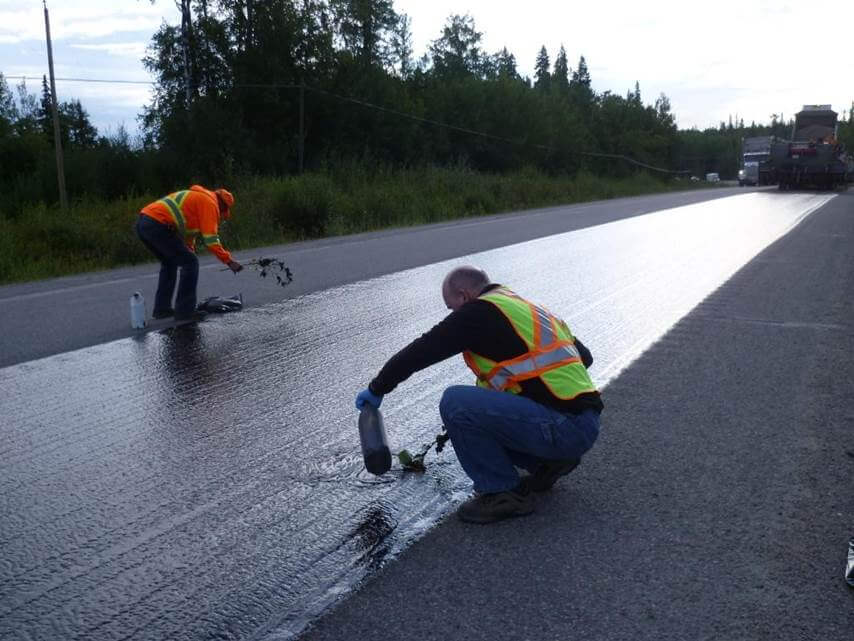
Just cover weeds growing through brick or concrete walkway cracks with boiling water. Ideal for hard surfaces with no other plants growing on them. Root systems and cell structures are immediately destroyed by the heat.
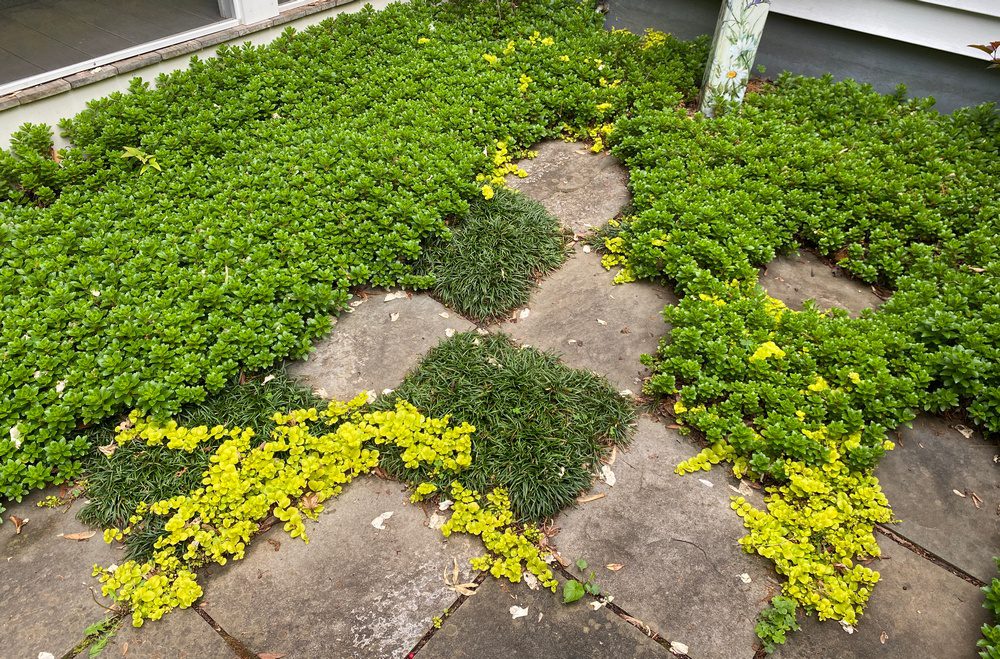
4. Cover the Ground to Keep Weeds Out
Professional Perspective:
According to permaculture expert Rosa Nguyen, "Living ground covers are nature's mulch - they shade the soil and compete for space." Make use of spreading, low-growing plants like creeping thyme, purslane, or peanut grass. They produce a thick mat that inhibits the growth and germination of weed seeds.
5. When the soil is moist, hand weed
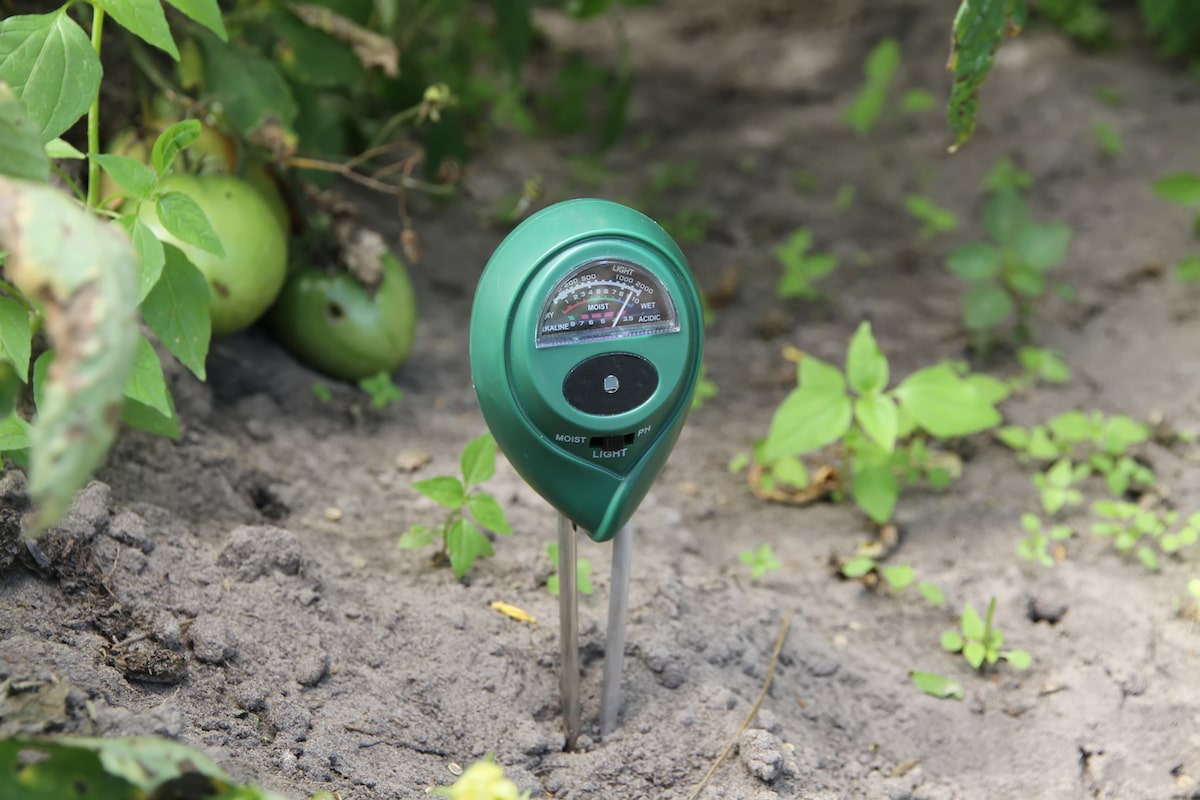
When the earth is moist, as it is after rain or watering, weeds are easier to remove. This lessens regrowth by assisting in the removal of the entire root system. Weeding should be done frequently and quickly rather than waiting until the weeds are big and difficult.
6. Make Your Own Weed Killer (Be Careful)
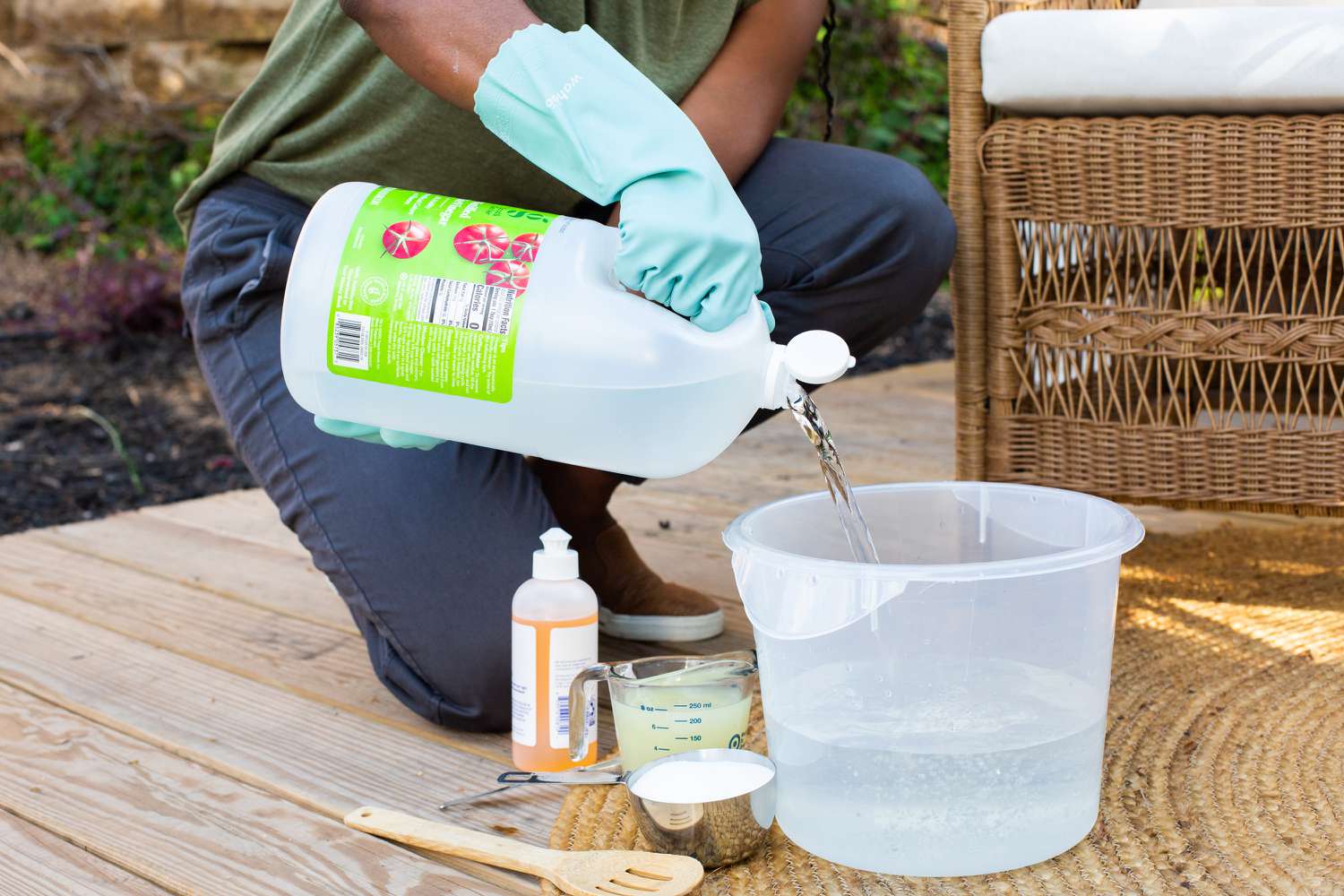
Only in places where there are no neighboring crops or wanted plants. Mix: One cup of salt One liter of white vinegar A couple of dish soap droplets Don't spray on garden beds; instead, use it on roadways, sidewalks, or borders. Use this potent mixture carefully and sparingly since it may impact the health of the soil.